.svg)

We live in a culture that treats exhaustion as a status symbol. Long hours are worn as badges of honour, and rest is quietly equated with laziness. But the science tells a very different story — one where recovery is not the absence of productivity, but its foundation.
The Physiology of Recovery
During sleep and intentional rest, the body enters a parasympathetic state — the counterpart to the fight-or-flight response. In this state, cortisol drops, human growth hormone surges, and the glymphatic system clears metabolic waste from the brain. Tissue repairs, memories consolidate, and the immune system recalibrates. None of this happens when you're busy.
Building a Recovery Practice
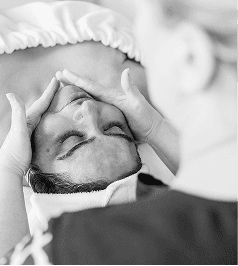
Recovery doesn't require a spa day — though we'd argue that helps. Start with sleep hygiene: consistent wake times, a dark room, and no screens in the 60 minutes before bed. Add one intentional rest practice each week — whether that's a massage, a walk without your phone, or a restorative yoga class. The cumulative effect over months is measurable: lower resting heart rate, improved mood, sharper focus.