.svg)
Laser hair removal only works on follicles that contain enough melanin to absorb the laser's light. Electrolysis destroys the follicle directly, with an electrical current, regardless of hair or skin colour. That single mechanical difference is the reason these two treatments aren't interchangeable — and why the internet's "which is better" debate misses the point.
How each one actually works
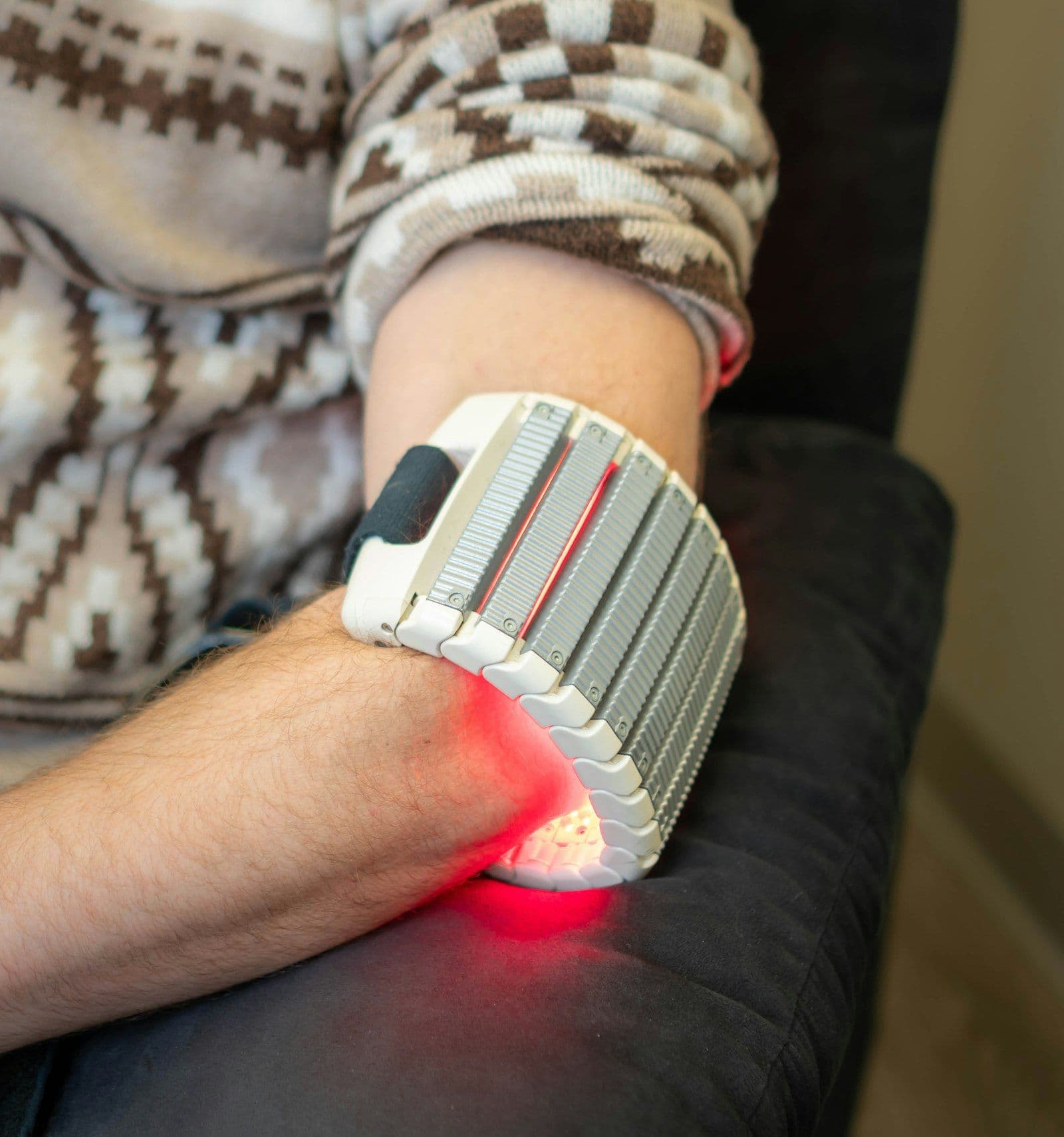
Laser emits a concentrated beam of light that's absorbed by melanin (pigment) in the hair shaft. The light converts to heat, which travels down into the follicle and damages the cells responsible for regrowth. It treats many hairs per pulse, which is why it's fast and effective on larger areas like legs, arms, and the back.
Electrolysis inserts a fine, sterile probe into a single hair follicle and delivers a precise electrical current that destroys the follicle's growth cells directly — no reliance on pigment at all. It treats one hair at a time, which makes it slower, but it's the only method currently recognised as truly permanent by medical bodies worldwide.
Where laser has a real limitation
Because laser depends on melanin contrast, it struggles with light, grey, red, or white hair — there's simply not enough pigment for the light to grab onto. It's also less predictable on very light skin with fine hair, or very dark skin, depending on the specific laser technology in use. This isn't a flaw in the treatment; it's a property of how the light physically works.
Where electrolysis is the only real option
Stray brow hairs, persistent chin hairs, and fine or light-coloured hair that laser can't grip onto — these are the situations where electrolysis isn't just an alternative, it's the only treatment that will actually work. It's also the standard choice for finishing touches after a laser course, cleaning up the stragglers that survived because they didn't have enough pigment.
How to actually decide
For larger areas with dense, dark hair — legs, underarms, back — laser will get you there faster with fewer sessions (typically 6 to 8, spaced 4 to 8 weeks apart depending on the area). For small, precise areas, or hair that laser can't effectively treat, electrolysis is worth the extra time per session because it works regardless of colour.
We don't sell one over the other. Book a consultation and we'll look at the area, the hair type, and your skin tone, and tell you honestly which treatment will actually get you the result you want.