.svg)

Cortisol — the hormone your body releases under stress — starts affecting your skin before you consciously register that you're stressed. It increases oil production, breaks down collagen, and weakens the skin's protective barrier. By the time you notice you've been "stressed lately," your skin has usually been dealing with it for weeks.
What cortisol actually does to skin
Elevated cortisol increases sebum (oil) production, which is why stress-related breakouts tend to cluster around the jawline and chin. It also accelerates collagen breakdown, the same protein responsible for skin's firmness — chronic stress can visibly age skin faster than sun exposure alone in some cases. On top of that, cortisol weakens the skin's barrier function, making it more reactive, more prone to redness, and slower to heal from small irritations it would normally shrug off.
Why sleep and skin are more connected than people assume
Poor sleep raises cortisol independently of any other stressor, which compounds the effect. It also reduces the skin's overnight repair processes — cell turnover and collagen synthesis both peak during deep sleep. Two disrupted nights in a row is often enough to visibly dull skin tone and increase puffiness, particularly around the eyes.
Why "just relax" isn't useful advice
Telling someone to relax doesn't lower cortisol. What actually helps is anything that engages the parasympathetic nervous system directly — slow, rhythmic touch is one of the most reliable ways to do this. This is part of why a massage or facial isn't just a nice-to-have; the physical technique itself triggers a measurable drop in cortisol during the session, not just a subjective feeling of calm afterward.
What actually helps, specifically
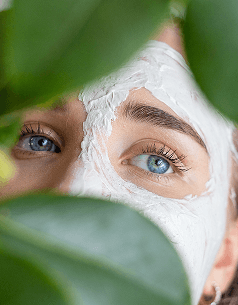
A facial that includes gentle facial massage does double duty — supporting the skin barrier topically while also triggering that parasympathetic response. Back and neck massage, or a full-body lymph drainage session, works on the same principle: physical, rhythmic pressure that measurably calms the nervous system, which in turn gives skin a genuine break from the cortisol cycle rather than just masking the symptoms with more product.
If your skin has changed and nothing in your routine has, it's worth asking what else has changed in the weeks before — the answer is often stress, and the fix is rarely another serum.