.svg)
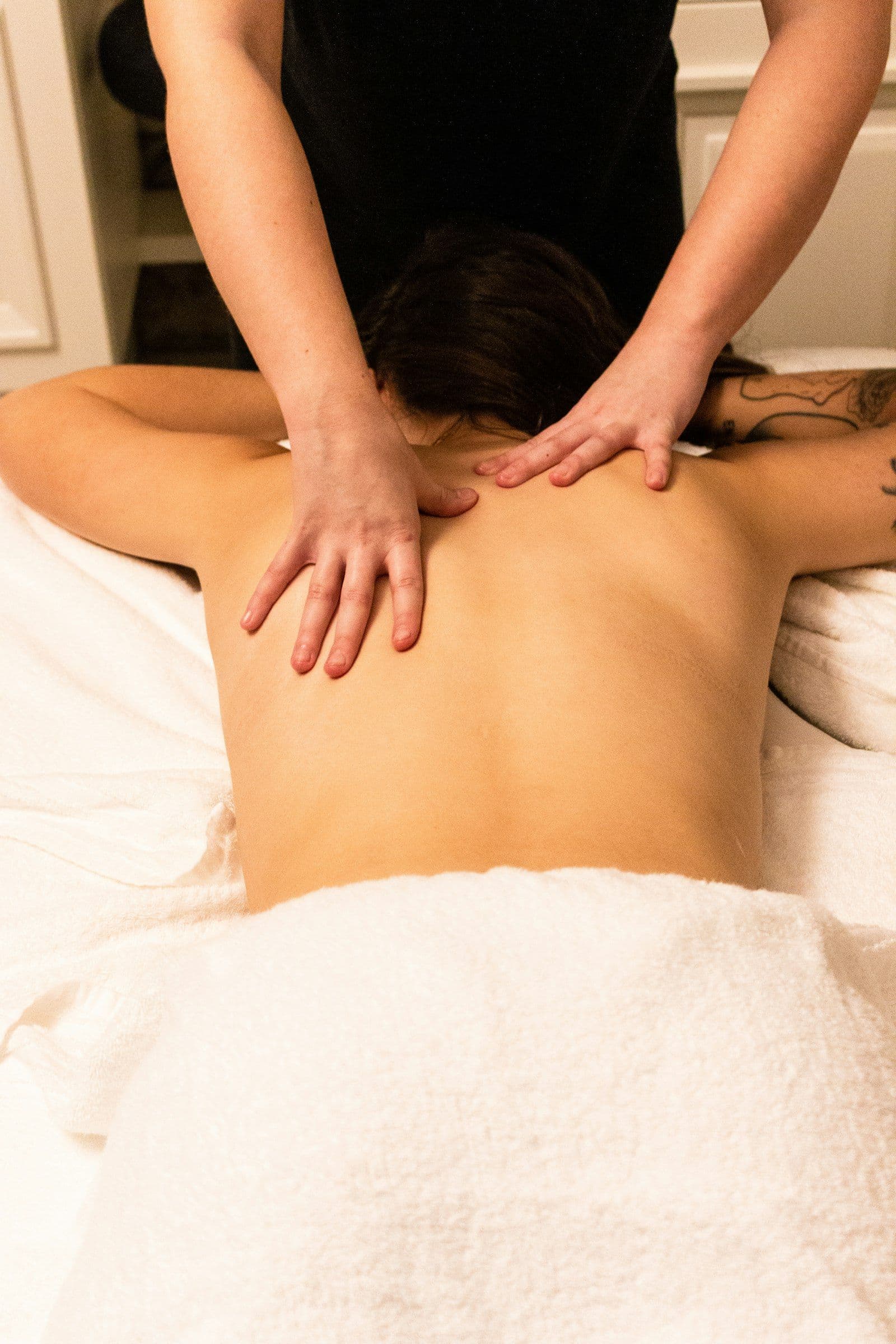
Your circulatory system has a pump: the heart. Your lymphatic system doesn't. Lymph fluid — which carries away waste, excess protein, and toxins from your tissues — only moves when muscles contract around it, when you breathe deeply, or when something else applies rhythmic pressure. That's the entire premise behind lymphatic drainage massage, and it's why the technique looks so different from a deep tissue massage.
Why the pressure has to be gentle, not deep
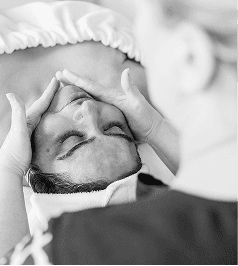
Lymphatic vessels sit just under the skin — much shallower than blood vessels. Deep, forceful pressure actually collapses these vessels and can restrict flow rather than support it. That's why a lymphatic drainage massage uses light, rhythmic strokes that follow the direction of lymph flow toward the lymph nodes, rather than the firm kneading you'd expect from a typical massage.
If a lymphatic massage feels too gentle to be doing anything, that's usually a sign it's being done correctly, not a sign it's ineffective.
What's actually being moved
When lymph flow slows down — from long periods of sitting, hormonal changes, illness, recovery from surgery, or simply age — fluid and metabolic waste accumulate in the tissue. This shows up as puffiness, a feeling of heaviness, and in some cases visible swelling. The massage doesn't "detox" in some vague, undefined way — it mechanically encourages that stagnant fluid to move toward the lymph nodes, where the body can actually process and eliminate it.
Who feels the difference most
Clients who are on their feet all day, recovering from illness or surgery, dealing with hormonal fluid retention, or who simply feel chronically fatigued tend to notice the clearest results — reduced puffiness, lighter-feeling limbs, and in many cases, better sleep afterward, since the parasympathetic nervous system response to slow, rhythmic touch has a genuine calming effect independent of the lymphatic benefit.
What to expect in your first session
Tell your therapist about any injuries, recent surgeries, or medical conditions before you start — this determines pressure and technique. Drink water afterward to support your body in processing what's been mobilised, and don't be surprised if you need the bathroom more than usual in the hours after. That's the system doing exactly what it's meant to do.