.svg)
Collagen production drops by roughly 1% every year after your mid-20s. By the time most people notice their skincare routine "stopped working," that decline has been compounding quietly for a decade. The moisturiser didn't get worse. Your skin's structure changed underneath it.
What's actually changing under the surface
Collagen and elastin are the proteins that keep skin firm and springy. Fibroblasts — the cells that produce them — slow down with age, and the rate accelerates after 30. Less collagen means less structural support, which shows up as fine lines, looser texture, and skin that takes longer to bounce back after a bad night's sleep.
At the same time, skin cell turnover slows from roughly 28 days in your 20s to 45–60 days by your late 30s and beyond. Dead skin cells sit on the surface longer, which is why the same cleanser and serum that used to leave skin glowing now leaves it looking dull, even when you haven't changed a thing.
Why topical products hit a ceiling
Serums and creams work on the surface and upper layers of the epidermis. They can hydrate, protect, and support the skin barrier, but they cannot reach the dermis — the deeper layer where collagen is actually produced. That's the ceiling. No amount of retinol will rebuild structural collagen the way a treatment that reaches the dermis can.
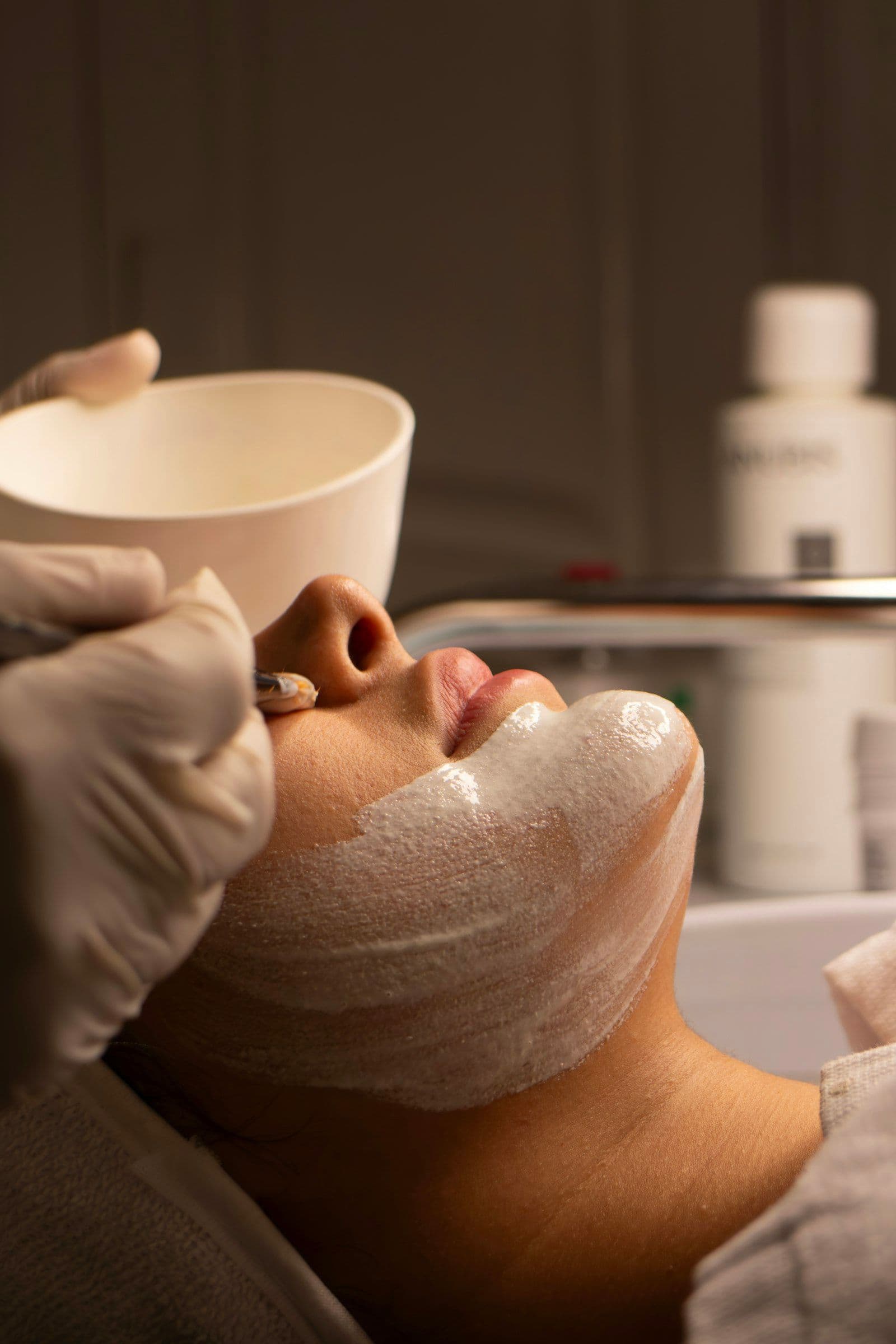
This is the gap between skincare and skin treatments. Skincare maintains what's there. Treatments like Jet Plasma and Fibroblast & Plasma Pen work by creating a controlled response in the dermis that prompts fibroblasts to produce new collagen — something a jar of cream physically cannot do.
What actually moves the needle in your 30s and beyond
Jet Plasma uses cold atmospheric plasma to stimulate collagen production without breaking the skin's surface — there's no downtime, and it's suitable for sensitive or reactive skin that can't tolerate more aggressive treatments. Most clients need a series of 3 to 8 sessions to see meaningful firming.
Fibroblast & Plasma Pen takes a different route: small, controlled points of heat trigger a healing response that tightens the skin as it repairs. It's more effective for looser skin — think hooded eyelids or sagging around the jawline — but comes with a week of visible healing (small carbon dots that flake off naturally).
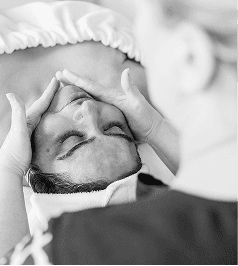
Regular facials matter too, not as a luxury but as maintenance — they support cell turnover and keep the skin barrier functioning, which is what allows any collagen-stimulating treatment to actually show its results on the surface.
The honest answer
There's no single fix. Skincare keeps the surface healthy; in-clinic treatments address the structural decline happening underneath. If your routine has plateaued, the product probably isn't the problem — the treatment gap is. Come in for a skin consultation and we'll tell you honestly whether a facial, Jet Plasma, or Fibroblast is the right next step for where your skin actually is, not where a marketing claim says it should be.